

When I cut my teeth on floor layouts at Crown and later watched TCS John Huxley tune ticket flow for busy rooms, I learned one thing fast: players want a game that reads clean the moment they sit down. Keno still holds that spot in many venues, and the quick pick option is where most locals start. It is not magic, just a randomised selection that saves you from marking a card by hand. If you are weighing whether to trust the machine’s shuffle or pick your own spots, this guide walks through the actual decisions worth making.
How the Quick Pick Actually Works on the Floor
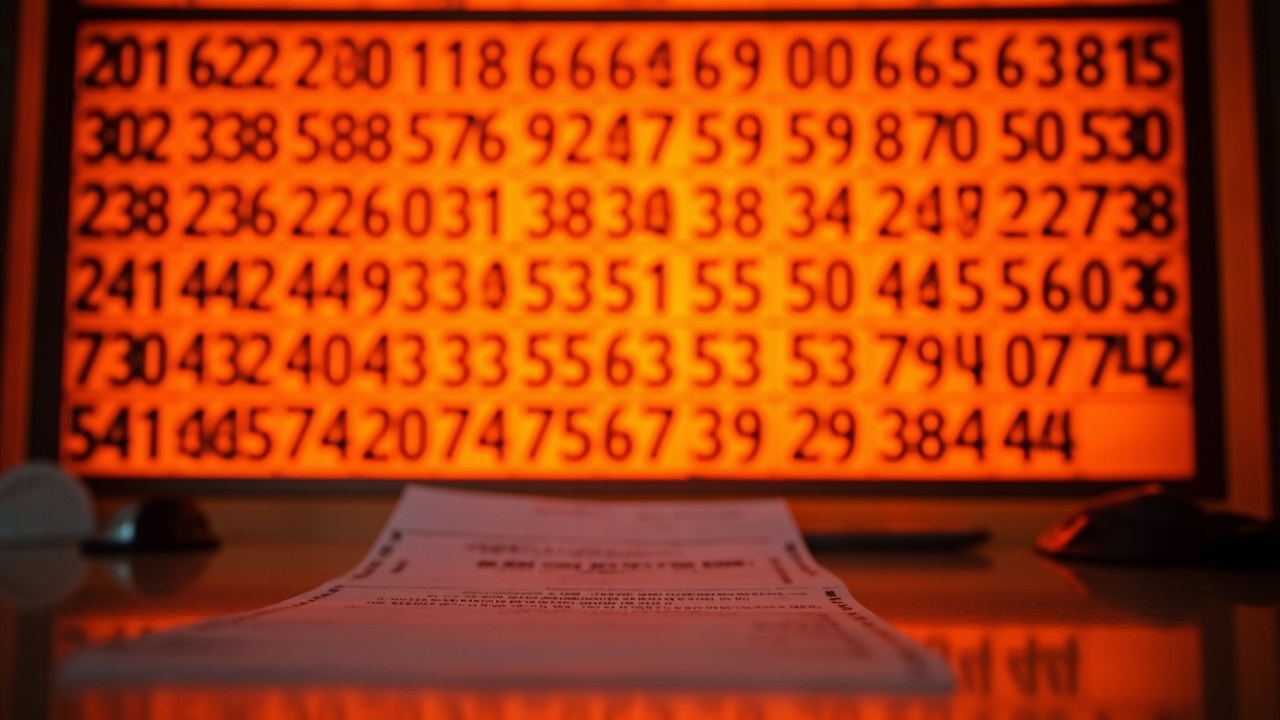
A quick pick is simply the terminal or app generating a set of numbers for you, usually within the game’s standard range. On a well-built system, that draw is tied to the same random logic as a manual card, so you are not getting a different product just because you pressed a button. I have sat through plenty of supplier demos from Ainsworth and Aristocrat where the real differentiator was not the feature itself but how the screen talked to you: clear cost per game, visible ticket history, and a confirm step that stops a fat-finger tap from costing you a coffee run. When you are scanning a keno quick pick explained on a venue terminal or a mobile browser, look for that confirmation layer first. A clunky interface will eat into your arvo faster than any number pattern ever could. The practical question is whether the operator shows you the pick before it locks in, and whether you can tweak or reject it without starting over. That small bit of transparency matters more than the marketing around it.
Weighing Random Picks Against Your Own Numbers
Some players swear by birthdays, local bus routes, or a lucky cluster they have run for years. Others let the terminal do the work and move on. Neither approach changes the underlying odds, but they do change how you experience the session. From a floor-strategy point of view, the choice is really about pace and bankroll discipline. If marking cards slows you down and you tend to overspend when you are fiddling with a ticket, a quick pick can keep things tidy. If you like the ritual and it helps you set a limit, mark it yourself. I have seen rooms where SenSen-style self-service kiosks and traditional terminals sat side by side, and the honest read was that the machine did not make people win more; it just changed how often they re-bought. Treat the quick pick as a convenience, not a strategy. If you want a deeper look at how that convenience plays out across sessions, our neighbour piece on Keno Quick Pick Strategy for Australian Casino Players walks through the pacing side in more detail.
A Straightforward Walkthrough for Beginners
If you are new to the game, here is the simplest way to run a quick pick without turning a quiet session into a messy one.
- Check the cost per game and the total ticket limit before you tap anything, because those two figures set your ceiling.
- Choose your number of spots and let the terminal generate the set, then read the screen before confirming.
- Decide your spend cap for the session and stick to it, treating any win as a bonus rather than a target.
- Keep an eye on the ticket history so you can see what has already been played and avoid buying the same line twice by accident.
- Step away once you hit your limit, even if the next draw is only a minute away.
That is basically it. The trick is not finding a secret pattern; it is keeping the mechanics boring enough that you can walk away on your own terms.
Mobile Play, Verification and What to Check Before You Start
Playing on a phone or browser changes the feel, but the core checks stay the same. A decent mobile setup should load the ticket screen without a long wait, keep the confirm button obvious, and let you review history without digging through menus. I have tested plenty of apps and responsive pages where the navigation felt fine on a desktop and clumsy on a phone, and that is the kind of friction that turns a quick session into a frustrating one. Registration should be straightforward, payments should show the currency you actually use, and support should be reachable without a scavenger hunt. Chloe Fraser, Customer Experience Lead, Harbour City Gaming Review, puts it plainly: “A keno quick pick is only as good as the screen around it – if players cannot see the cost, the confirm step, or their history without tapping through three menus, the feature is working against them.” If you are logging into a platform you have not used before, start at the login page and make sure the account setup, geo checks, and verification steps are clear before you put any money in. You can find the current entry point at https://heapsowins-login.com/ and use it to confirm the account flow matches what you expect. Nothing in this space is risk-free, and no quick pick bends the maths in your favour, so treat the mobile experience as a convenience layer and nothing more.

What to Watch For In Adelaide Rooms and Beyond
Adelaide venues have their own rhythm, and the keno setup is no exception. Some rooms keep the terminals near the main thoroughfare where the foot traffic is constant, while others tuck them into a quieter corner where you can actually read the screen without someone elbowing past. If you are playing locally, check whether the quick pick confirms on the main screen or pushes you to a secondary display, because that small detail changes how easy it is to catch a mistake. I have walked through floors in Macau and back home where the same game felt completely different depending on lighting, screen height, and how the ticket printer was positioned. None of that alters the draw, but it does alter whether you can play calmly. If a venue or platform makes the quick pick hard to see, hard to cancel, or hard to track, that is a usability problem, not a luck problem. Pick the setup that lets you make a clear decision and move on.
A quick pick is a convenience tool, not a shortcut to better returns. Use it when it keeps your session tidy, skip it when you prefer marking your own card, and always let the cost per game and your own limit do the talking. The best setup is the one that lets you see what you are buying, confirm it cleanly, and walk away without fuss. Keno Quick Pick Strategy for Australian

